The Symbolic Bet
Charniak Ch. 1–2 · Dartmouth, symbols, and the birth of classical AI
What They Had to Work With

General Electric GE-235 (1964 brochure)
The Machine, by the Numbers
| GE-235 (1964) | Your phone | |
|---|---|---|
| Memory | ~40 KB | ~8 GB |
| Speed | 6 µs / cycle | < 1 ns |

Your phone has roughly 200,000× the memory of the biggest GE-235.
“The Balanced Computer”

EAI 640 (1966): “a price which starts under $30,000”, about ten times that in today’s dollars
John McCarthy: The Pioneer
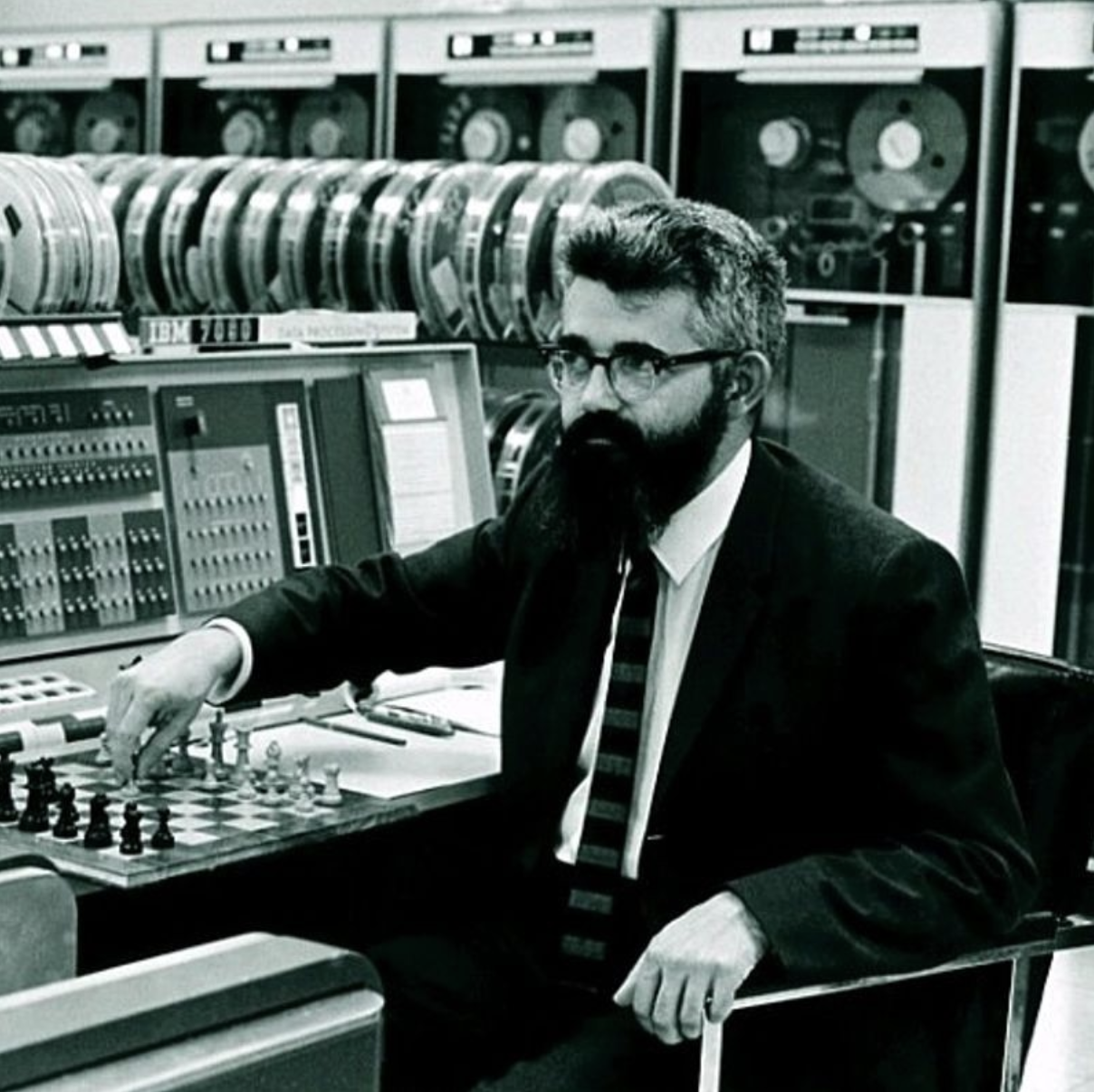
- Background: Born in Boston to activist immigrant parents; taught himself calculus as a teenager
- AI Pioneer: Coined the term “Artificial Intelligence” (1955) and invented LISP (1958)
John McCarthy: The Vision
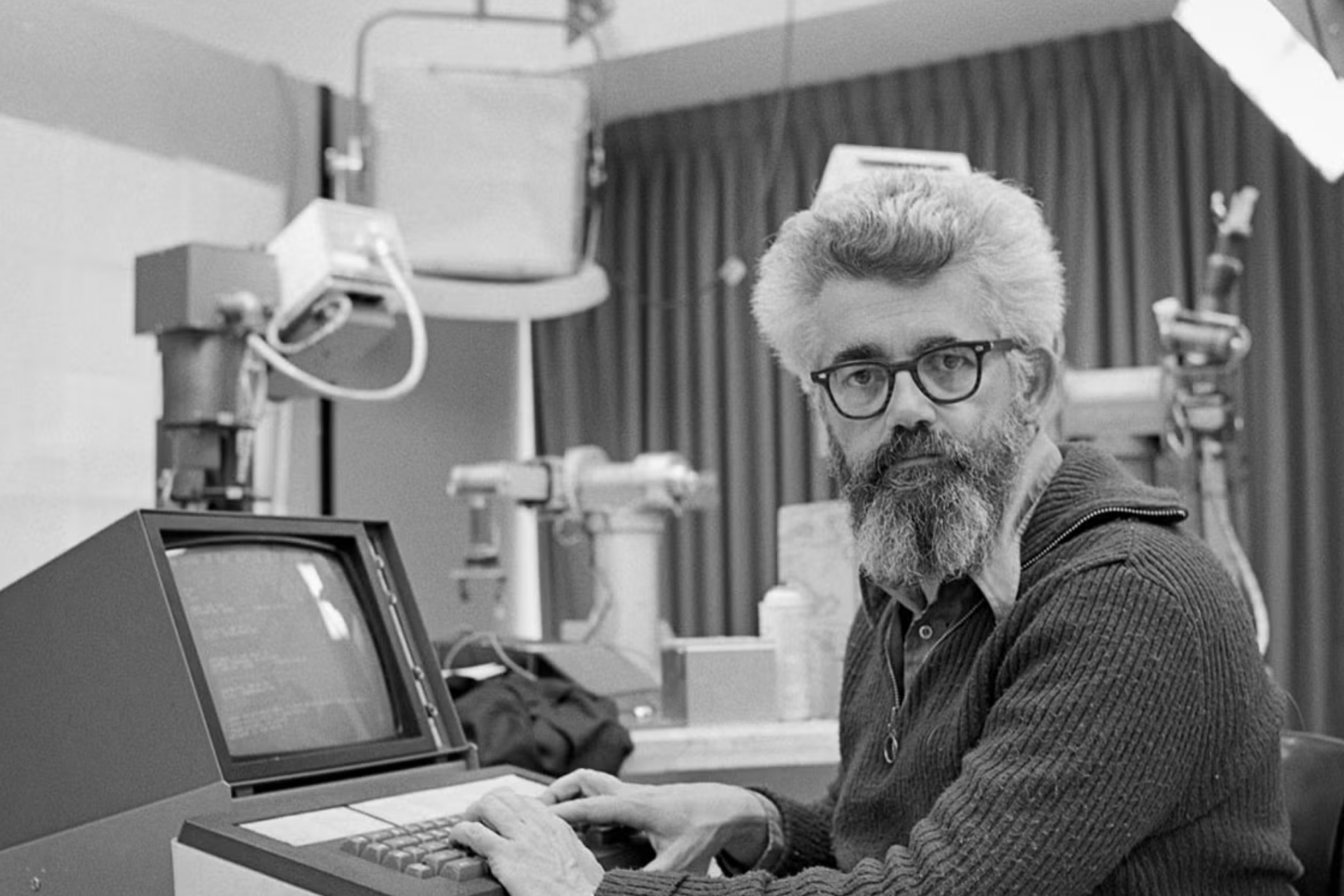
- Optimism: Firmly believed mathematical logic could formalize all human common sense and reasoning
- Outlook: Lifelong technological optimist; deeply committed to human progress through science and computing
Marvin Minsky: The MIT Lab & Perceptrons
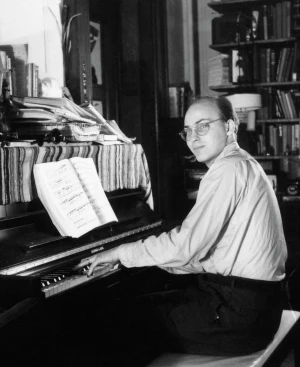
- Co-founder of MIT AI Lab: Pioneered early AI, robotics, and cognitive science with McCarthy
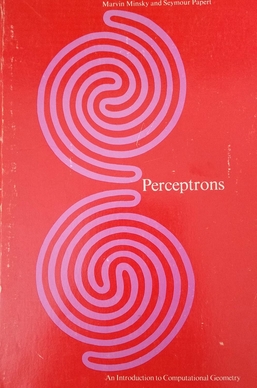
- Perceptrons (1969): Influential critique co-authored with Seymour Papert analyzing limitations of single-layer neural networks (ushering in a shift toward symbolic AI)
Marvin Minsky: The Society of Mind

- The Society of Mind (1986): …suggested that intelligence emerges not from one system but from the interactions of numerous simple components, or “agents.”
Allen Newell: Human Cognition & AI
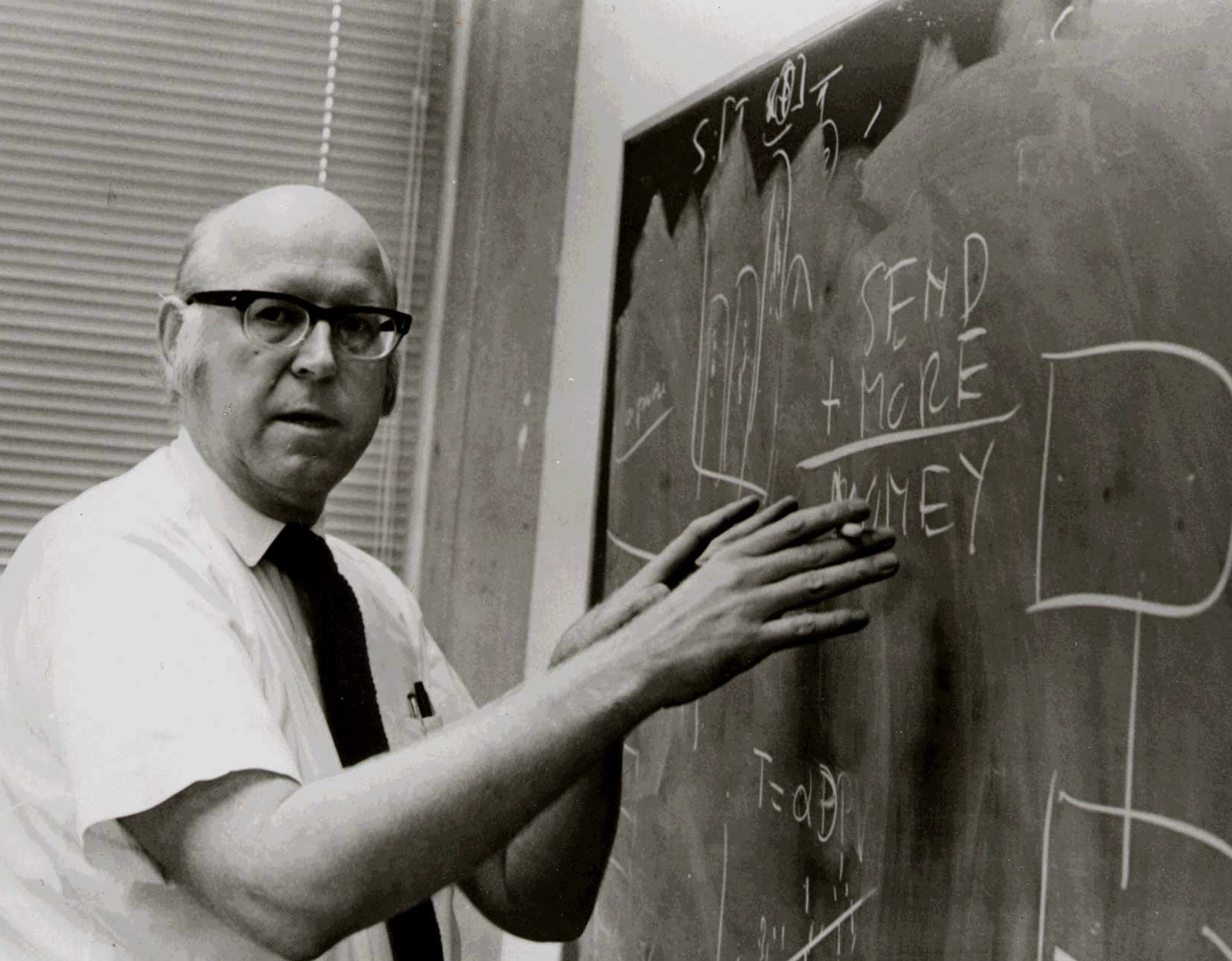
- Core Mission: Driven fundamentally by a desire to understand and model how humans actually think and solve problems
- Logic Theorist (1956): Co-created with Herbert Simon and Cliff Shaw; proved theorems from Principia Mathematica and is widely considered the first working AI program
- (Aside: Studied mathematics as a graduate student at Princeton at the same time as John Nash)
Herbert Simon: General Problem Solver
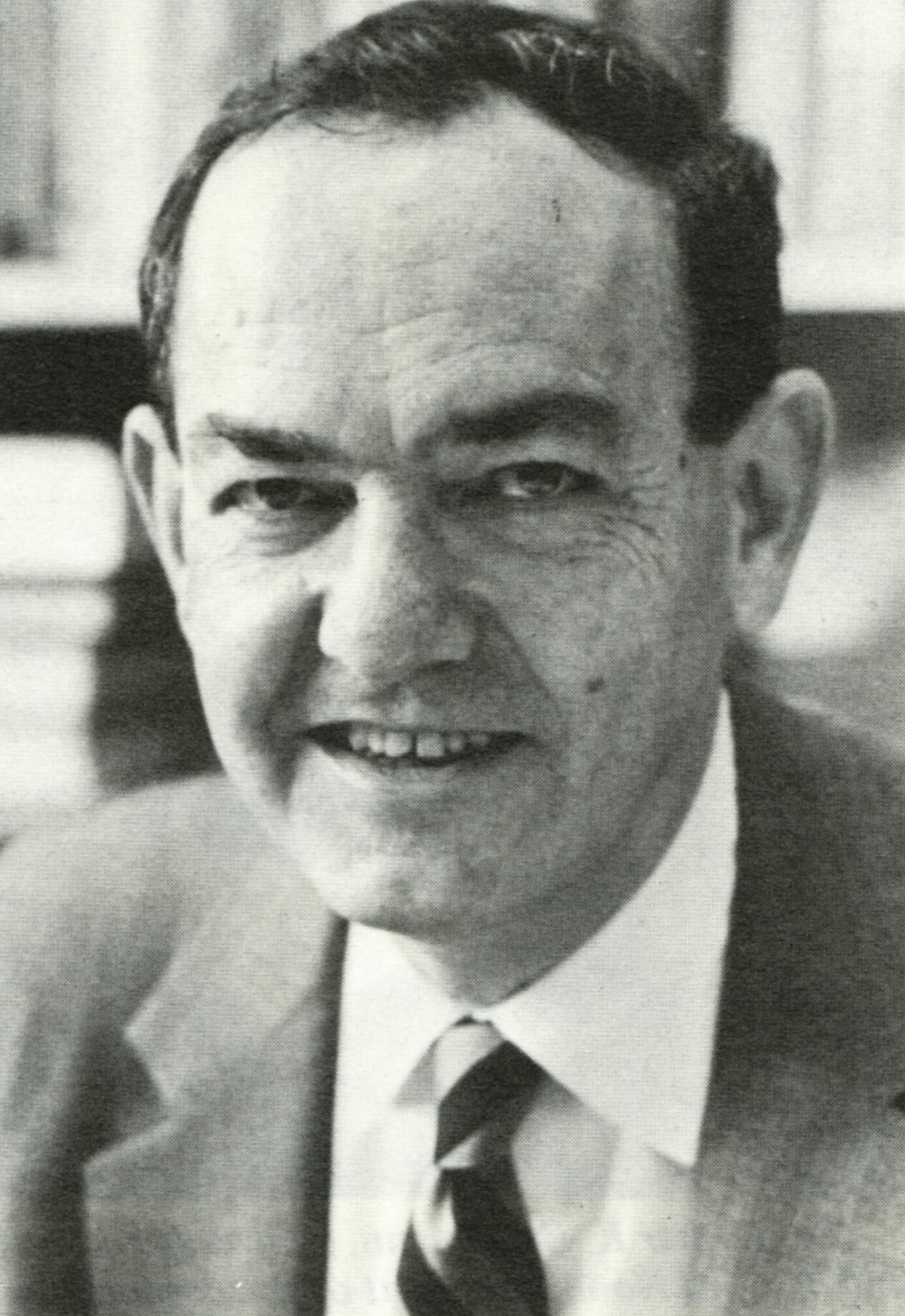
- Polymath Pioneer: Nobel laureate in Economics and Turing Award winner who bridged economics, psychology, and computer science
- General Problem Solver (GPS, 1959): Co-developed with Newell and Shaw; likely the first system designed to separate the general problem-solving engine from the domain-specific rules of the problem itself
- Bounded Rationality: Argued that human decision-making relies on heuristics and satisficing rather than pure optimization
Optimism

“Machines will be capable, within twenty years, of doing any work a man can do.”
— Herbert Simon (1965)
“Within a generation … the problem of creating ‘artificial intelligence’ will substantially be solved.”
— Marvin Minsky (1967)
Enter Charniak (1967)
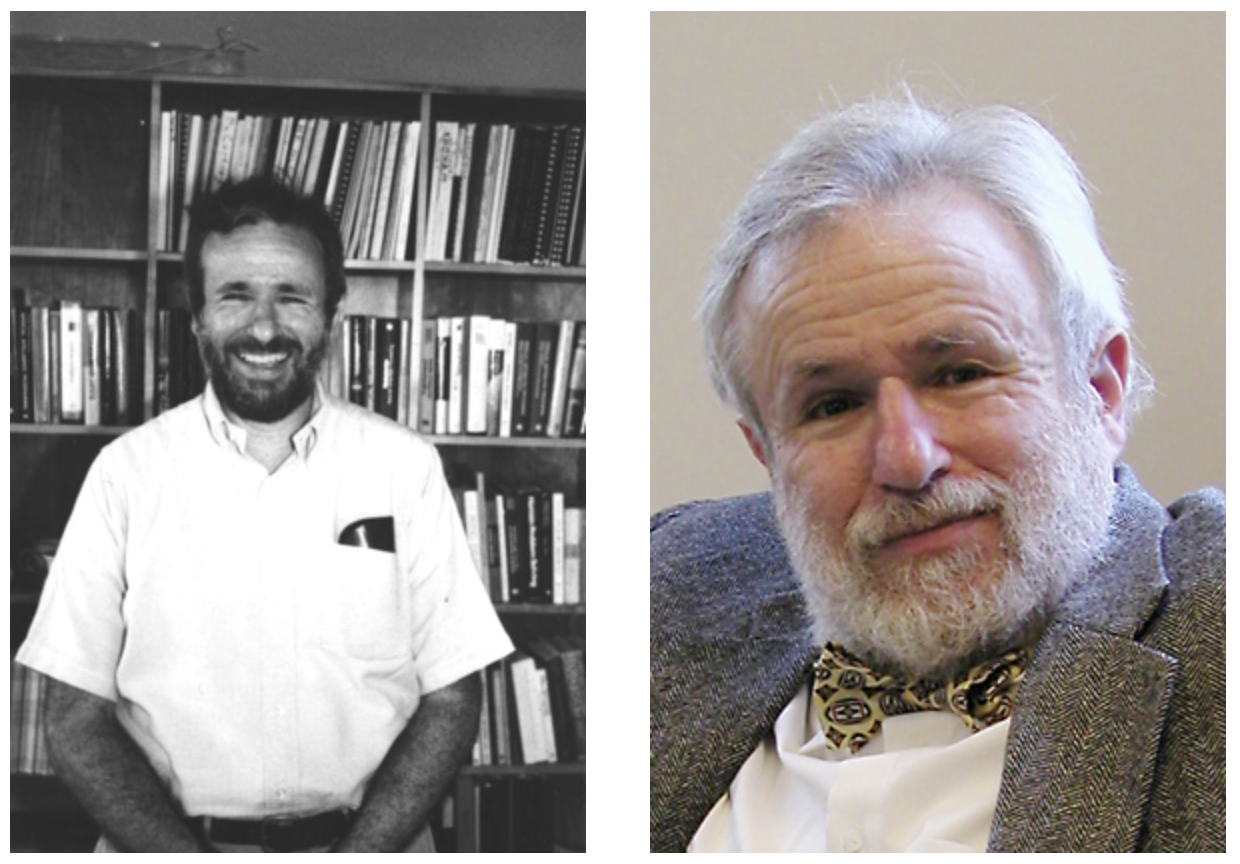
- Grad student at MIT’s AI Lab
- Thesis (1972): children’s stories
- Chosen because it looked easy
He’ll end up on both sides of the coming revolution.
Through Kuhn’s Eyes
A young community with:
- a shared commitment
- tools (LISP, logic, search)
- exemplars (SHRDLU …)
- solvable-looking puzzles
Is this a paradigm yet? Or still a promise?
